
Lowering LDL (“bad”) cholesterol doesn’t have to mean a total diet overhaul. Small, smart swaps—made at the grocery store and in your everyday cooking—add up fast. Think fewer saturated fats, more fiber-rich plants, and plenty of heart-friendly unsaturated oils. No hero ingredients required; consistency does the heavy lifting. Below are five easy vegan swaps you can start using today—simple, affordable, and weeknight-friendly.
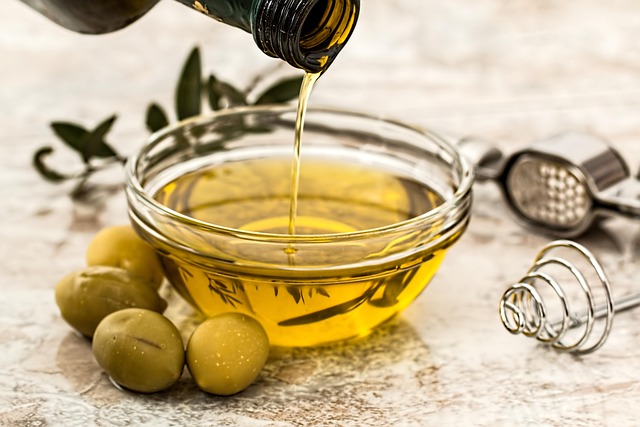
1) Butter → Olive or Canola Oil (and avocado in place of butter on toast)
- Why it helps: Replacing saturated fats (butter, ghee) with unsaturated fats (olive/canola) lowers LDL and supports cardiovascular health; this is core American Heart Association guidance and remains the simplest, highest-yield move. Limit saturated fat to <6% of calories and swap in unsaturated fats instead.
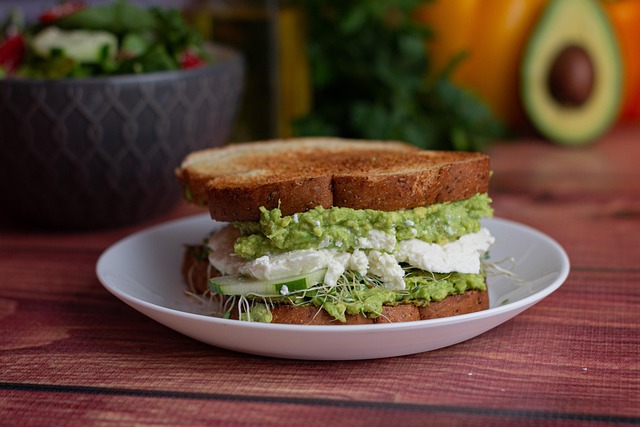
- Quick recipe: Toast + mashed avocado + lemon + chili flakes. Add fresh grated ginger for a bright, peppery lift.
2) Whole Milk & Cream → Oat Drink or Soy Yogurt
- Why it helps: Oats provide β-glucan, a soluble fiber that helps pull LDL from circulation. The FDA and EFSA authorize a cholesterol-lowering claim at ~3 g β-glucan/day—practical with oats/oat bran.
- Quick recipe: Ginger overnight oats — rolled oats + oat drink + chopped apple + cinnamon + ½ tsp grated ginger. Aim for a total day’s intake that gets you near 3 g β-glucan.
3) Cheese on Sandwiches → Hummus/Tahini, Nut Butter, or “Walnut Parm”
- Why it helps: Nuts have a modest but consistent effect on lipids. A 2025 meta-analysis of 113 RCTs (median ~45 g nuts/day) found reductions in total cholesterol and LDL (≈ –0.12 mmol/L; ~–4–5 mg/dL), with small triglyceride drops.
- Quick recipe: Pulse walnuts + nutritional yeast + pinch of salt to a sandy crumble. Sprinkle on pasta, salads, or soup.
4) Mayo & Sour-Cream Dressings → Lemon–Tahini–Ginger Dressing
- Why it helps: You trade saturated fats for unsaturated sesame fats and add flavor without loads of sugar. Ginger isn’t magic, but meta-analyses suggest small improvements in blood lipids at certain doses and durations (results vary by study and population).
- Quick recipe: Whisk 2 Tbsp tahini + 1 Tbsp olive oil + juice of ½ lemon + 1 tsp maple + 1 tsp grated ginger + warm water to thin + salt.
5) Processed/Red Meat → Tofu or Tempeh + Kale Skillet
- Why it helps: Plant proteins help—soy protein has repeatedly shown a 3–4% LDL reduction in meta-analyses.
- What about kale? One small RCT in hypercholesterolemic men reported ~10% LDL reduction after 12 weeks of kale juice; in a 2024 double-blind trial using a freeze-dried kale bar, LDL changes trended better but weren’t statistically significant, while HbA1c and weight improved—useful, but not a stand-alone fix.
- Quick recipe: Marinate tofu in soy sauce, garlic, and ginger. Sear until crisp; toss with kale ribbons, splash of lemon, and toasted sesame.
Study Highlights (so you know the “why”)
- Plant-forward eating patterns (vegetarian/vegan) lower LDL by about –0.30 mmol/L and reduce apoB (≈ –12.9 mg/dL) in randomized trials, without raising triglycerides.
- Oat β-glucan works at ~3 g/day (oats/oat bran), an amount formally recognized by regulators.
- Nuts (roughly a small handful daily) modestly lower LDL and total cholesterol in RCTs.
- Soy protein yields a small, significant LDL drop (≈ 3–4%).
- Ginger may provide small lipid improvements in some trials; evidence is mixed and dose-dependent.
- Kale can contribute: encouraging early RCT data with juice; newer work shows metabolic benefits with neutral-to-modest lipid effects—good ingredient, not a cure-all.
- Big picture: The AHA emphasizes replacing saturated fat with unsaturated fat inside an overall healthy pattern—simple swaps, repeated often, beat any single “superfood.”

Overall health benefits (beyond cholesterol)
A plant-forward pattern built on whole grains, beans, nuts, vegetables (hello kale) and bold flavors like ginger doesn’t just trim LDL—it nudges several cardiometabolic levers at once. No single superfood does the job; the pattern does.
- Heart-protective lipids: In randomized trials, vegetarian/vegan diets lowered LDL-C by ~0.30 mmol/L and apoB by ~12.9 mg/dL versus omnivorous diets—two markers tightly tied to atherosclerosis risk.
- Blood pressure: Meta-analyses of controlled trials show modest BP drops (about –2 to –3 mmHg systolic; –1 to –2 mmHg diastolic) with plant-based diets; vegan variants often do slightly better than lacto-ovo.
- Blood sugar & weight: Across trials in people with, or at high risk for, CVD, vegetarian diets improved HbA1c (–0.24%) and body weight (–3.4 kg) over ~6 months, with small LDL gains on top.
- Long-term outcomes: In >2.2 million people across prospective cohorts, healthful plant-based patterns (more whole plants, fewer refined carbs/ultra-processed foods) were linked to lower risks of type 2 diabetes (–21%), CVD (–15%), cancer (–13%), and all-cause mortality (–14%) versus minimal adherence.
- Gut health: Interventional studies suggest plant-based diets enrich short-chain-fatty-acid–producing microbes and can improve inflammatory and metabolic markers—one plausible pathway for the benefits above.
- What actually moves the needle: The American Heart Association’s core advice still stands—replace saturated fats with unsaturated fats inside an overall plant-forward pattern. That swap lowers LDL and supports heart health. Use oils (olive/canola), nuts, seeds, and legumes in place of butter, cream, and processed meats; let kale and ginger ride shotgun for flavor and variety.
Practical note: Vegan diets are safe and effective when well-planned. Do a quick nutrient check—especially vitamin B12 (use fortified foods or a supplement), and ensure coverage for iodine, iron, vitamin D, and omega-3s.
If you want, I can weave this section into the earlier article and tune the tone/length for your blog’s audience.
Pantry Cheat-Sheet
Olive or canola oil; rolled oats & oat bran; tahini; mixed nuts (walnut, almond, pistachio); firm tofu/tempeh; fresh ginger; kale (fresh or frozen); lemons; nutritional yeast; low-sodium soy sauce.
Two final tips
- Replace, don’t just add. Use oil instead of butter, hummus instead of cheese—so your calories and saturated fat actually drop.
- Fiber target: 25–30 g/day, with some soluble fiber (oats, beans). That supports LDL control and keeps you fuller longer.
Medical note: Food changes complement—not replace—your clinician’s plan. If you take statins or have health conditions, check in before big diet shifts.
Studies
- Lichtenstein AH, Appel LJ, Vadiveloo M, et al. 2021 Dietary Guidance to Improve Cardiovascular Health: A Scientific Statement from the American Heart Association. Circulation. 2021;144(23):e472–e487.
- American Heart Association. Saturated Fats—AHA Consumer Guidance. Aktualisierte Fachinformation, 2024.
- Koch CA, Kjeldsen EW, Frikke-Schmidt R. Vegetarian or Vegan Diets and Blood Lipids: A Meta-analysis of Randomized Trials. European Heart Journal. 2023;44(28):2609–2622.
- Termannsen AD, Clemmensen KKB, Thomsen JM, et al. Effects of Vegan Diets on Cardiometabolic Health: Systematic Review and Meta-analysis of Randomized Controlled Trials. Obesity Reviews. 2022;23:e13462.
- Wang T, Heianza Y, Sun D, et al. Vegetarian Dietary Patterns and Cardiometabolic Risk in People With or at High Risk of Cardiovascular Disease: A Systematic Review and Meta-analysis. JAMA Network Open. 2023.
- Wang Y, Shen X, Song X, et al. Associations Between Plant-Based Dietary Patterns and Risks of Type 2 Diabetes, Cardiovascular Disease, Cancer and All-Cause Mortality: A Meta-analysis of 55 Prospective Cohort Studies. Nutrition Journal. 2023.
- Sacks FM, Lichtenstein AH, Wu JHY, et al. Dietary Fats and Cardiovascular Disease: A Presidential Advisory From the American Heart Association. Circulation. 2017;136(3):e1–e23.
- EFSA Panel on Dietetic Products, Nutrition and Allergies (NDA). Scientific Opinion on Dietary Reference Values for Carbohydrates and Dietary Fibre. EFSA Journal. 2010;8(3):1462. (Empfehlung: ≥25 g Ballaststoffe/Tag.)
- EFSA NDA Panel. Scientific Opinion on the Substantiation of Health Claims Related to Beta-Glucans from Oats and Barley and Maintenance of Normal Blood LDL-Cholesterol. EFSA Journal. 2011;9(6):2207. (Autorisierte Wirkung: 3 g/Tag β-Glucan.)
- Commission Regulation (EU) No. 1160/2011. Authorisation of a Health Claim on Oat Beta-Glucan and Reduction of Blood LDL-Cholesterol. Amtsblatt der EU. 2011;L296:26–28.

