
A healthier workplace is not a luxury anymore. It is a competitive advantage that develops your organization, benefits your people, and reduces risk in the long term. Healthy employees (physically, mentally, and emotionally) go to the workplace with a fair deal of clarity, power, and dedication to work.
Your task, as an employer, is very powerful. You shape the environment, policies, and culture. These aspects can define or undermine well-being.
These are the practical measures that you may use today to make your workplace less vulnerable and healthier.
Promote a free discussion about health and well-being.
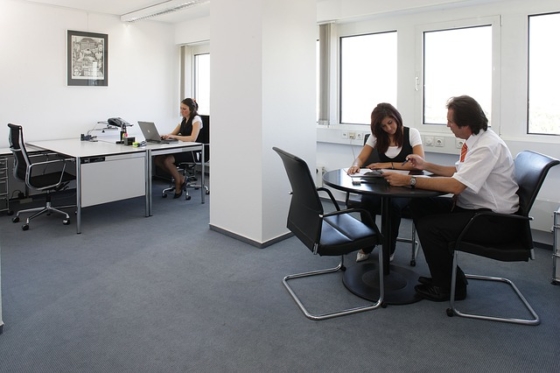
This is the initial step towards a healthy workplace. Your staff should not be afraid to discuss their concerns related to:
- Workload
- Work stress
- Physical stress, etc.
This way, you will have a chance to prevent troubles even before they appear.
You can also encourage check-ins and open-door policies. In addition, train managers to identify employees who are burned out or distressed. The goal is to make everyone aware of their well-being.
Invest in preventive health
The most effective method of creating an effective workforce is to adopt preventive care instead of reactive solutions. This may consist of:
- Yearly health examinations
- Wellbeing resources
- An ergonomics review of physically challenging or repetitive employment.
Moreover, evaluate how you onboard new team members. A pre-employment medical check can be a part of a more comprehensive strategy. This will ensure that incoming workers are safely suited to the demands of a position.
Nurture a safer and more comfortable work environment
A healthy workplace describes a place where people are physically secure. They are able to work without feeling stressed. Take a glimpse around at your current place of work. It could be an office, warehouse, or outdoor work station. Identify the hazards or inefficiencies.
You can make a change through:
- Adjustable workstations
- Well-defined paths
- Tidy shelves
- Adequate lighting
- Enough ventilation
- Equipment and tools that minimize repetitive strain.
Ensure your workplace has no physical challenges. This way, employees can commit to productive work.
Promote emotional well-being
Mental health is important for a healthy workplace. Stress, anxiety, and fatigue directly affectperformance and retention. Provide access to:
- Counselling services
- Mental health training
- Flexible work conditions.
This will assist in establishing a culture where employees do not feel strained but supported.
Another tip is to set achievable expectations. This might be in terms of workload and availability. As a result, employees will have a work-life balance. They will become more involved and avoid burnout.
Model well-being in leadership
Leaders lead employees by cues. You can show good health behaviors such as:
- Taking breaks
- Exercising during your leave
- Promoting reasonable working hours.
Other employees will copy the same. Healthy practices are contagious when:
- Visible
- Consistent
- Supported by policy.
The takeaway
Maybe you are saying, ‘’I need a huge budget or a wellbeing department to make a significant change.’’ That is not the case. You can create a place where people perform their best by:
- Establishing open communication
- Enabling preventative health
- Creating safer working environments
- Designing environments that support mental well-being.
When workers prosper, so does your organization.


